Vision: Decentralized Food Resilience
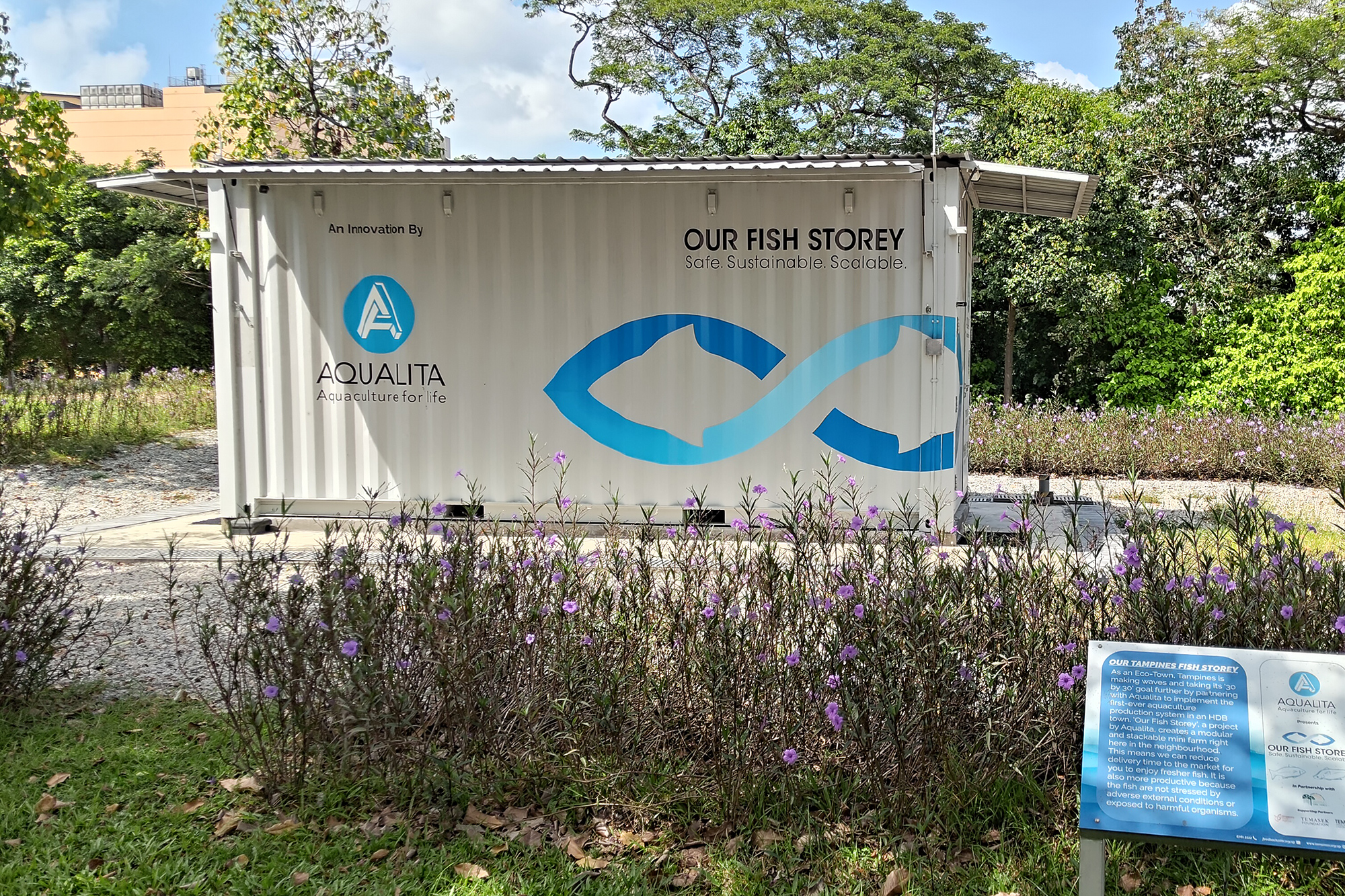
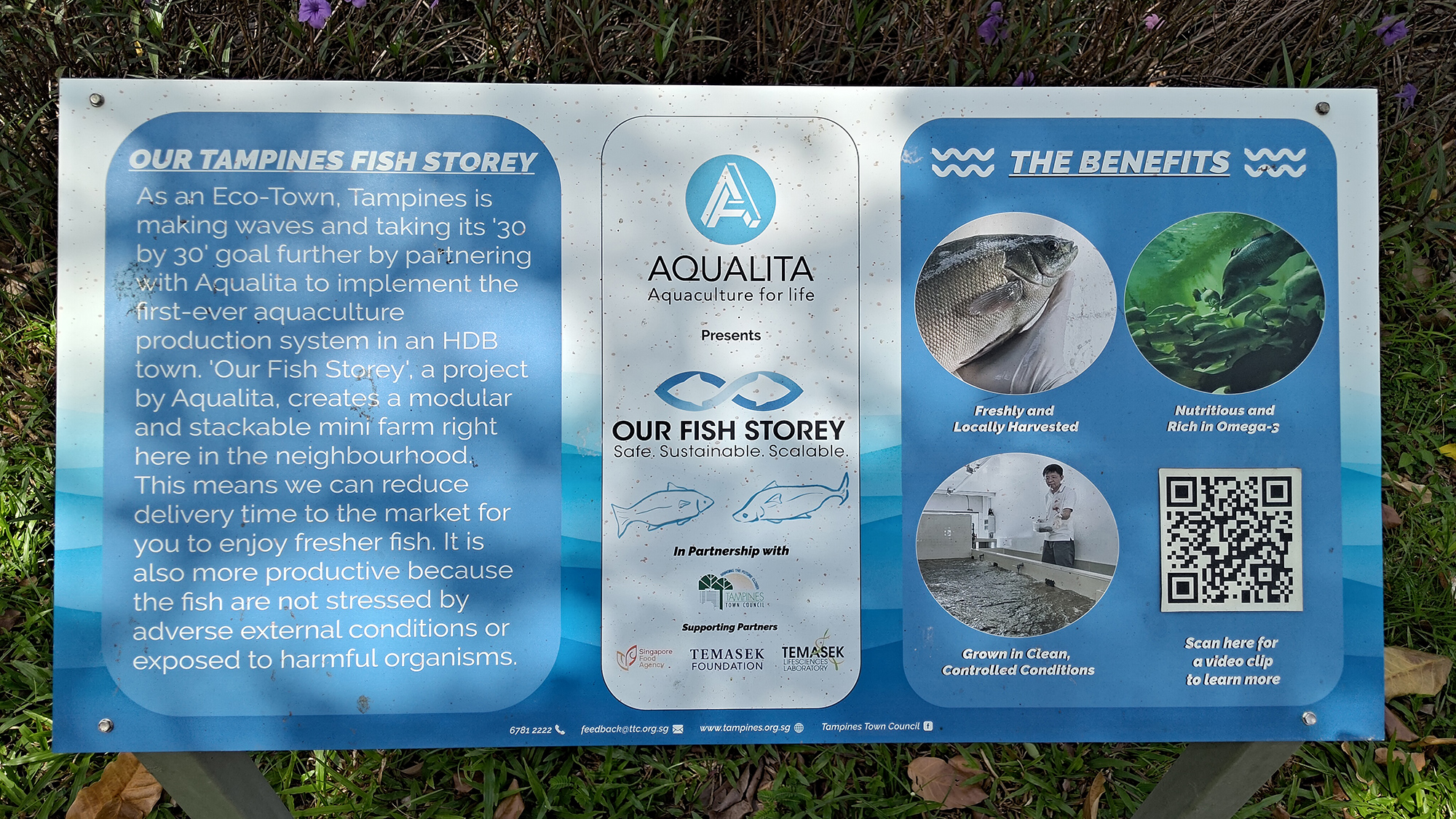
While industrial solutions like Aqualita’s “Fish Storey” are vital for Singapore’s 30-by-30 goal, there is a missing link: Community Ownership.
I am proposing a proof-of-concept (POC) for a volunteer-run, low-cost aquaculture system designed for HDB common spaces.
Why Tilapia?
Tilapia are the “hardy heroes” of urban farming. They are:
- Resilient: High tolerance for fluctuating water conditions, perfect for a community-managed setup.
- Efficient: Excellent feed-conversion ratios, especially when integrated with local food waste (like vegetable trimmings from nearby markets).
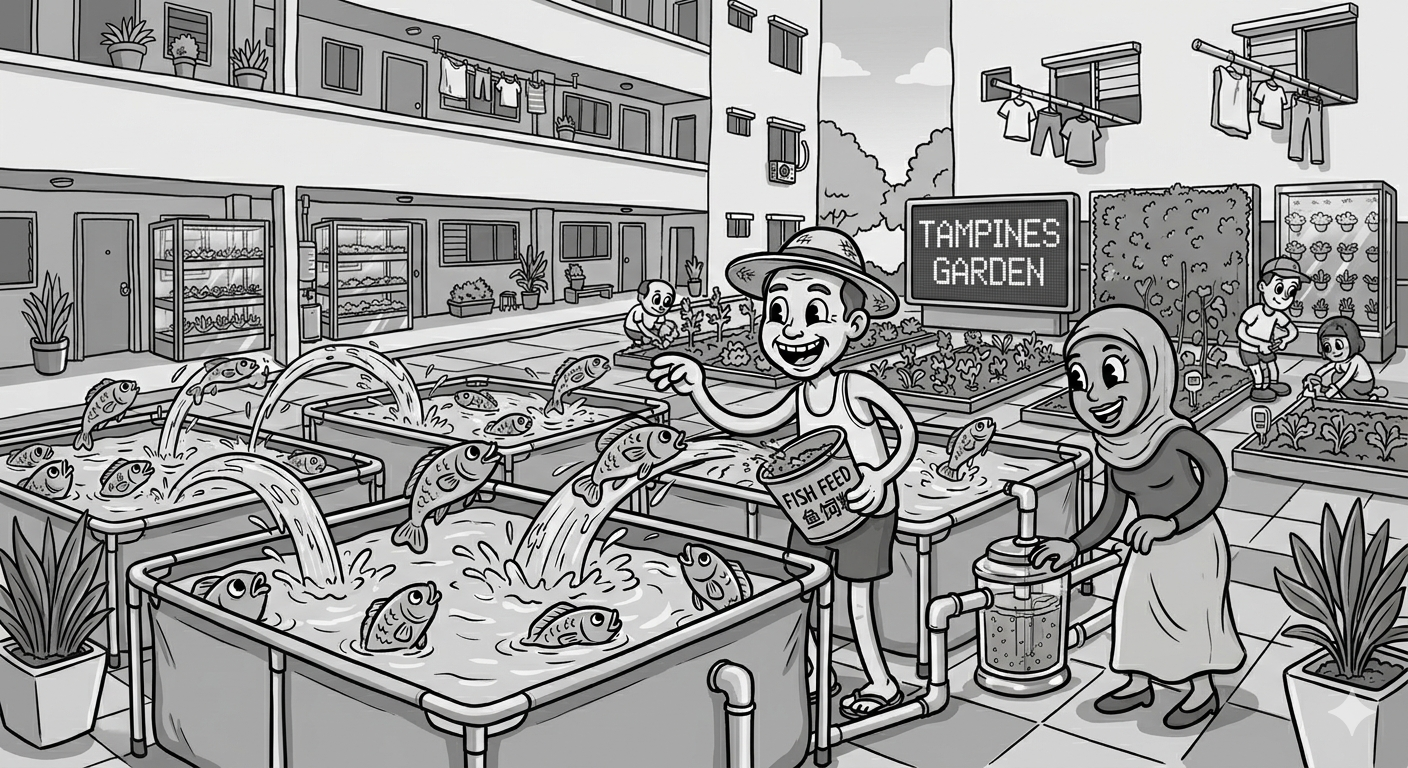
- Scalable: A single 3m x 1m tank can be the blueprint for a network of “Micro-Farms” across the district.
3-Point Strategy
1. “Low-CapEx” Advantage
A cheaper model that uses modular canvas tanks and DIY Recirculating Aquaculture Systems (RAS).
A fraction of the cost, making it financially sustainable for a Residents’ Network (RN) or a Social Enterprise.”
2. From “Farm-to-Table” to “Farm-to-Neighbor”
This isn’t just about fish; It’s about active aging and youth engagement.
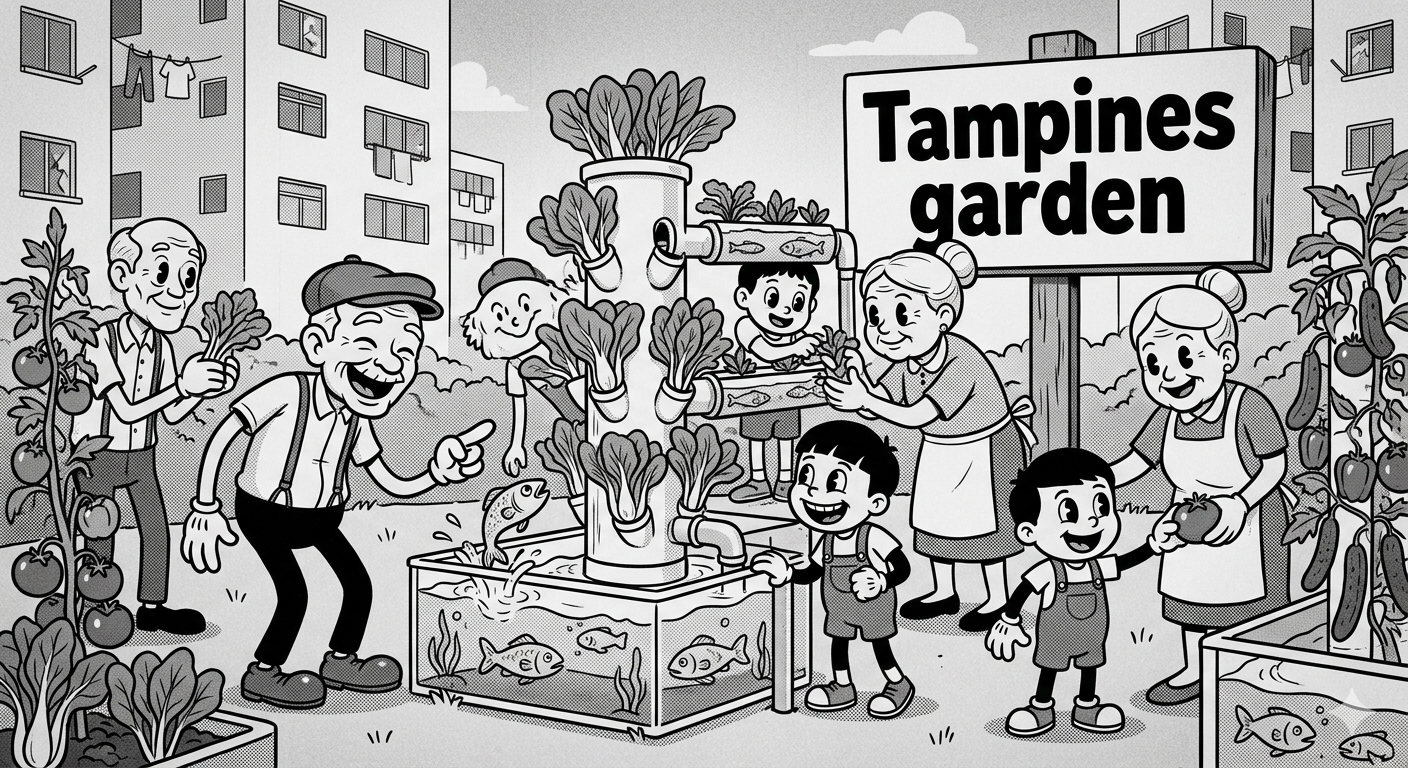
Volunteers will manage the daily checks, harvesting, and water quality monitoring (using a digital garden platform we will built with our work background in tech)
The produce can support local ‘Bento’ programs for vulnerable residents, mirroring the success of the Tampines Round Market collaborations.”
3. The Digital Twin
Steps and details will be documented on fishscientist.com.
This means our district’s project becomes a ‘living lab’ that other neighborhoods can clone. We aren’t just farming fish; we are farming data and expertise that stays in the community."
"Off-Grid Community” Solar Blueprint
For a 3m x 1m canvas tank (~2000–3000 liters), here is a feasible budget setup we can find on Shopee or Lazada SG for under $350.
1. The Energy Core (The “Server Room”)
-
Solar Panel (100W – 150W Monocrystalline): This is enough to charge your battery during Singapore’s peak sun hours (approx. 10am–4pm).
- Cost: ~120
-
Solar Charge Controller (20A PWM or MPPT): This prevents your battery from exploding or overcharging.
- Cost: ~30
-
Deep Cycle Battery (100Ah Lead Acid or LiFePO4): This is your “UPS.” A 100Ah battery can easily run a small DC pump and aerator through a rainy day and a full night.
- Cost: ~180
2. The Hardware (The “Nodes”)
-
12V DC Submersible Pump: Look for a “bilge pump” or a specialized 12V pond pump. These plug directly into your charge controller/battery.
- Flow rate: 2000–3000 L/H is plenty for one canvas tank.
- Cost: ~50
-
12V DC Air Pump: Essential for Tilapia at night when oxygen levels drop.
- Cost: ~40
Our proposal is 100% self-sustaining. By using off-grid solar, we aren’t just saving on the district’s electricity bill—we are creating a disaster-resilient food source. Even during a total power outage, our community fish farm keeps running. It’s a showcase of true ‘Smart City’ resilience.”
Aquaponics
In Singapore, Aquaponics is the “bridge” that turns a fish farm into a highly visible, green community asset. While a tank of fish is productive, a lush vertical wall of vegetables is what captures the imagination of residents
Circular Ecosystem: Waste to Wealth
In our proposed model, we don’t just “filter” water; we upcycle it.
-
The Fish: Tilapia provide the nitrogen-rich “fuel” (ammonia).
-
The Bacteria: Naturally occurring nitrifying bacteria convert ammonia into nitrates.
-
The Plants: Leafy greens act as a living filter, absorbing nitrates to grow while returning crystal-clear water to the fish.
Why Aquaponics works for our District:
-
Zero Chemical Fertilizers: The system is 100% organic by design.
-
Water Efficiency: Uses 90% less water than traditional soil gardening, as the water only leaves the system via plant transpiration.
-
Vertical Productivity: We can grow 3x more food per square foot by stacking plant beds above the fish tanks.
The Edible Classroom
How we can benefit our residents
Inter-generational Engagement
Aquaponics is a perfect STEAM (Science, Technology, Engineering, Arts, Math) tool.
We can invite local schools for ‘Living Lab’ tours.
The seniors in our district can manage the harvesting (no bending down or digging in dirt required), while the youth help with the digital monitoring and solar maintenance.”
2. High-Yield Tropical Crops
“We aren’t just growing for show. In our Singapore climate, this system is optimized for high-demand local greens:
-
Kangkong & Bayam: Grow incredibly fast in aquaponic water.
-
Basil & Mint: High-value herbs that can be distributed to residents for their home cooking.
-
Watercress: A natural water purifier that thrives in our heat.”
The Modular Design (Low-Cost / High-Impact)
To add aquaponics to our 3m x 1m canvas tank on a budget, we have two main options:
Option A: The “Raft” System (Deep Water Culture)
-
What it is: Polystyrene (Styrofoam) sheets floating directly on top of a separate shallow trough of water.
-
Best for: Lettuce, Kangkong, and Bok Choy.
-
Pros: Extremely low maintenance; high water stability.
Option B: The “Media Bed” (The most versatile)
-
What it is: A 20cm deep plastic tray filled with LECA (Lightweight Expanded Clay Aggregates) or gravel. Water floods and drains through this bed.
-
Best for: Heavier plants like Tomatoes, Chilli, or even Brinjal (Eggplant).
-
Pros: The LECA acts as both a plant holder and the Bio-filter for your fish, saving you the cost of a separate filtration unit.
Summary
Aqualita shows us the industrial future.
Our grassroot project shows the community’s heart.
We are turning a corner of our district into a self-sustaining, solar-powered ‘Green Lung’ that feeds people and brings neighbors together.